Aidy
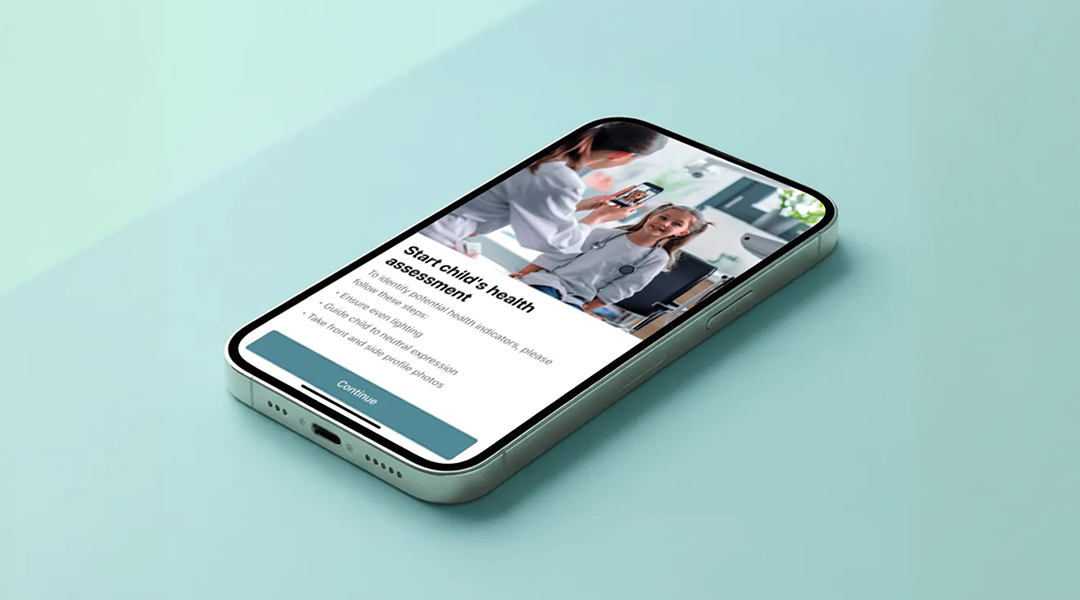
Rare diseases are a cruel paradox: individually rare, but collectively common. A general pediatrician might see a specific syndrome once in a career. The knowledge exists, but it's locked in the heads of specialists or buried in medical journals. Aidy set out to put the collective knowledge of the world's best geneticists into the pocket of every pediatrician.
The 15-Minute Window
Clinical Reality
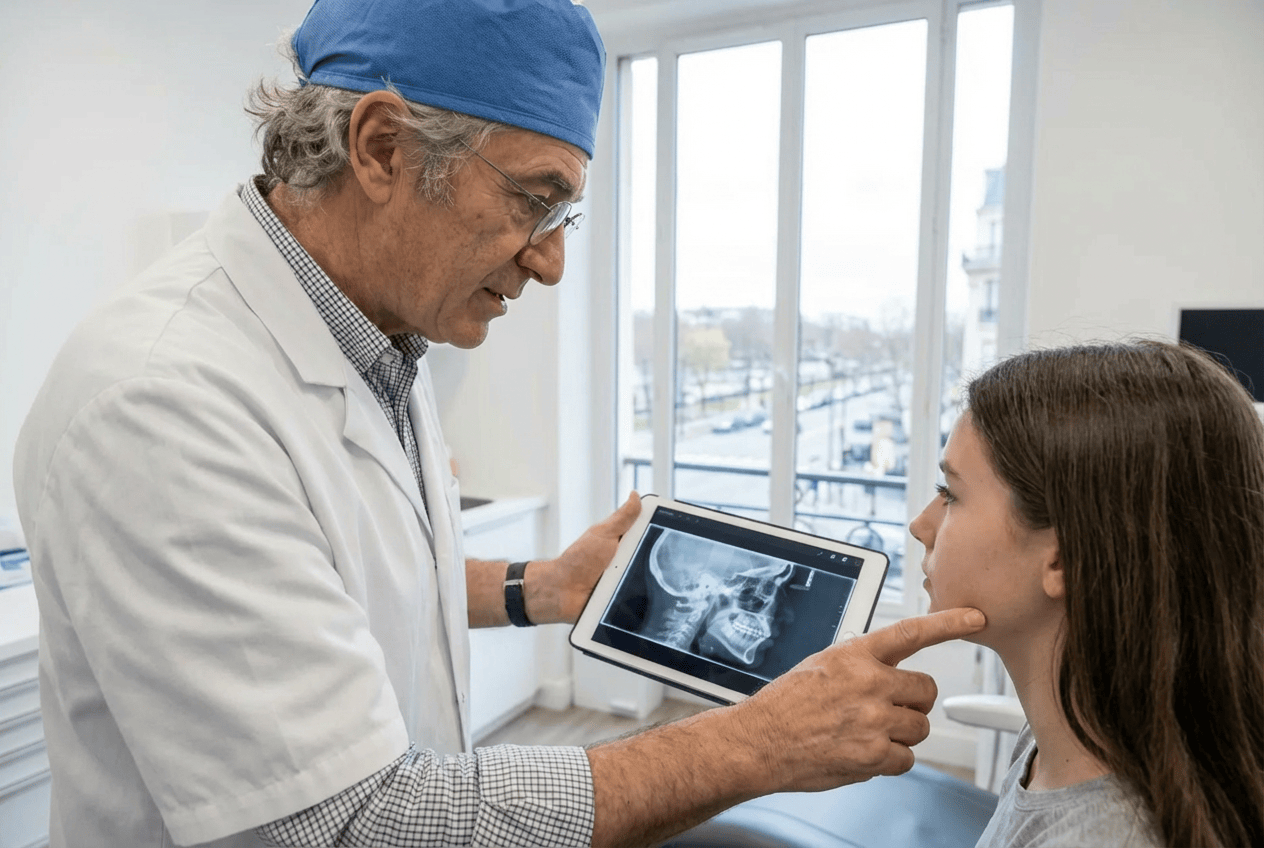
A pediatrician has 15 minutes per patient. In that window: listen to the parent, examine the child, write notes, make decisions. There's no time to browse medical literature or second-guess a hunch.
The Memory Trap
Doctors rely on pattern recognition built from experience. But what if the pattern has never been seen before? A syndrome that appears once in 50,000 births might look "off" — but without a reference, the instinct stays silent.
The Design Constraint
Any tool that enters this environment must be invisible. It can't interrupt the doctor-patient relationship. It can't demand attention. It has to fit into the flow, not compete with it.
Faster Than a Hunch
The Friction Problem
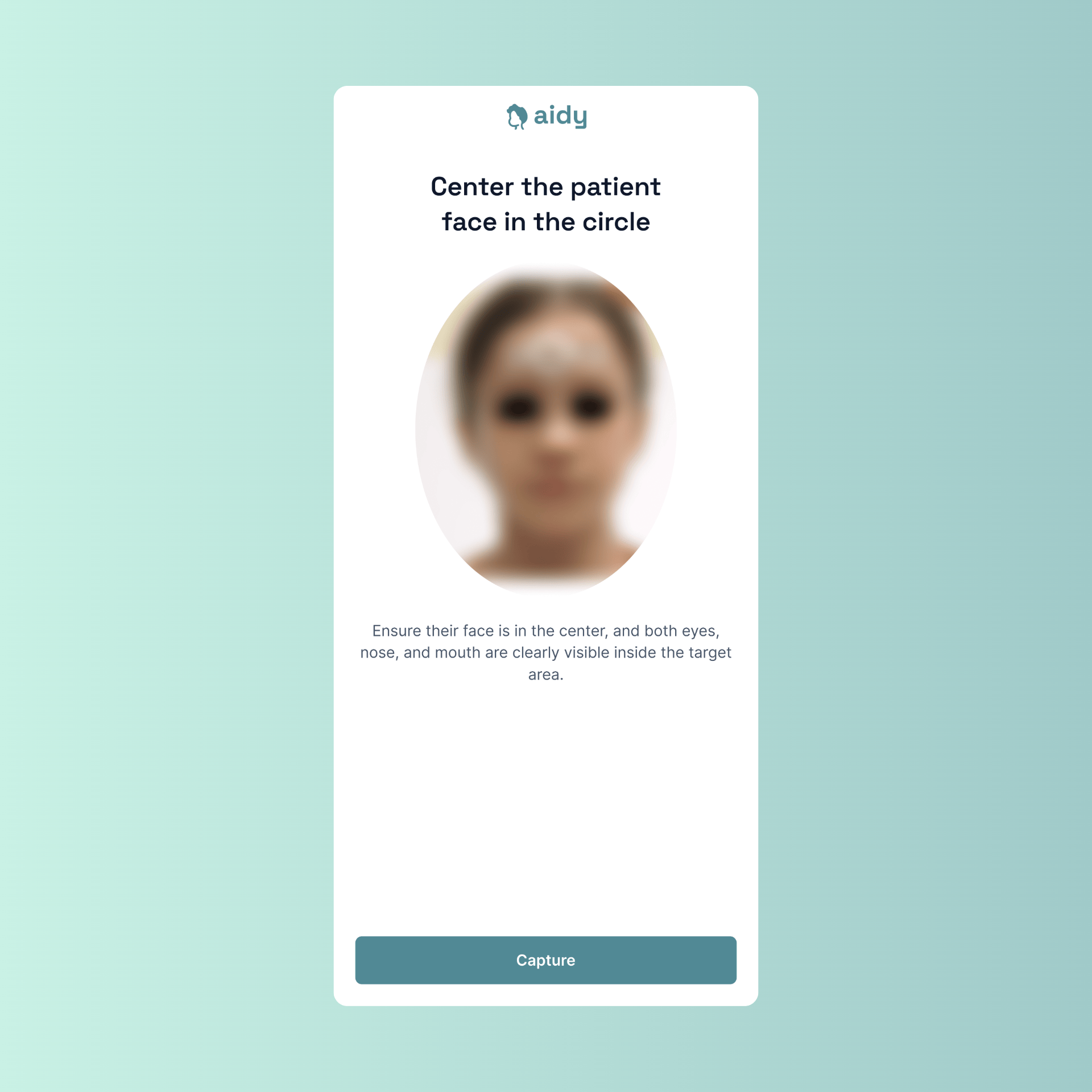
Medical tools are notoriously clunky. Forms, dropdowns, multi-step wizards. Doctors don't have time for that. I designed the capture to be faster than taking a photo — because if it's slower, it won't be used.
The Real Goal
Keep the doctor present with the patient. The moment a physician looks away to fumble with an interface, the clinical relationship breaks. I built every interaction to amplify attention, not steal it.
Trust Through Simplicity
I designed the experience around a single clear action, with the system managing the underlying complexity. Doctors only need reliable, trustworthy outputs rather than an understanding of the AI itself.
Probability, Not Prescription
The Authority Question
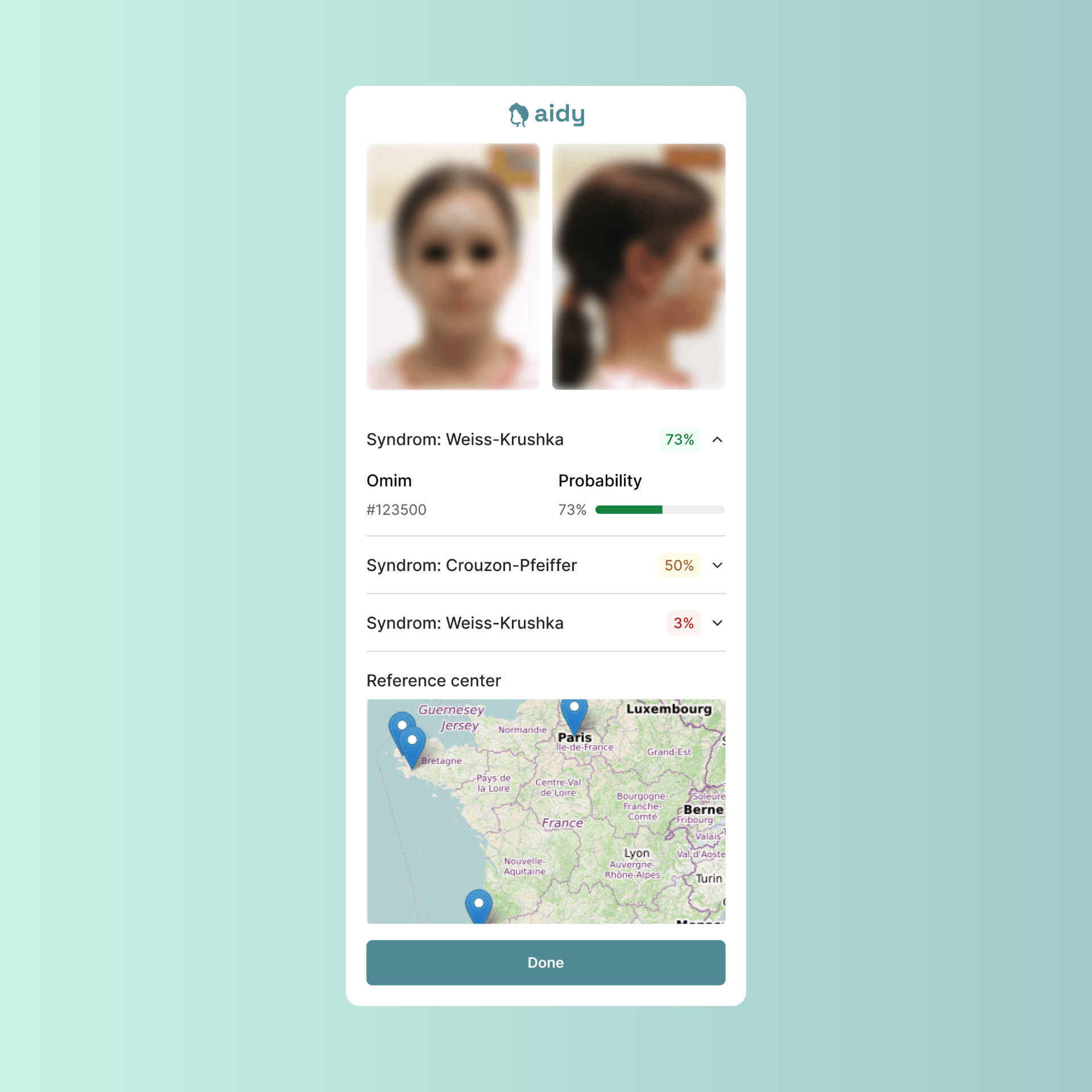
AI in medicine faces a fundamental tension: if the system is too confident, it undermines the doctor. If it's too vague, it's useless. I found the answer in presentation.
Augmenting, Not Replacing
I designed the output as a conversation starter, not a verdict. Ranked possibilities with medical references give doctors something to investigate, not something to blindly accept.
From Occasional Tool to Daily Practice

The Adoption Problem
Medical tools often fail not because they don't work, but because they don't stick. A tool used once a month gets forgotten. A tool used daily becomes instinct.
Building Habit
I built habit-forming patterns into the product: patient history, learning resources, quick access to new cases — reasons to open the app beyond the initial scan.
Trust
Doctors reported that the tool felt like a "colleague," not a computer.